26
08 2026
Price can be misleading when choosing a pressure sensor
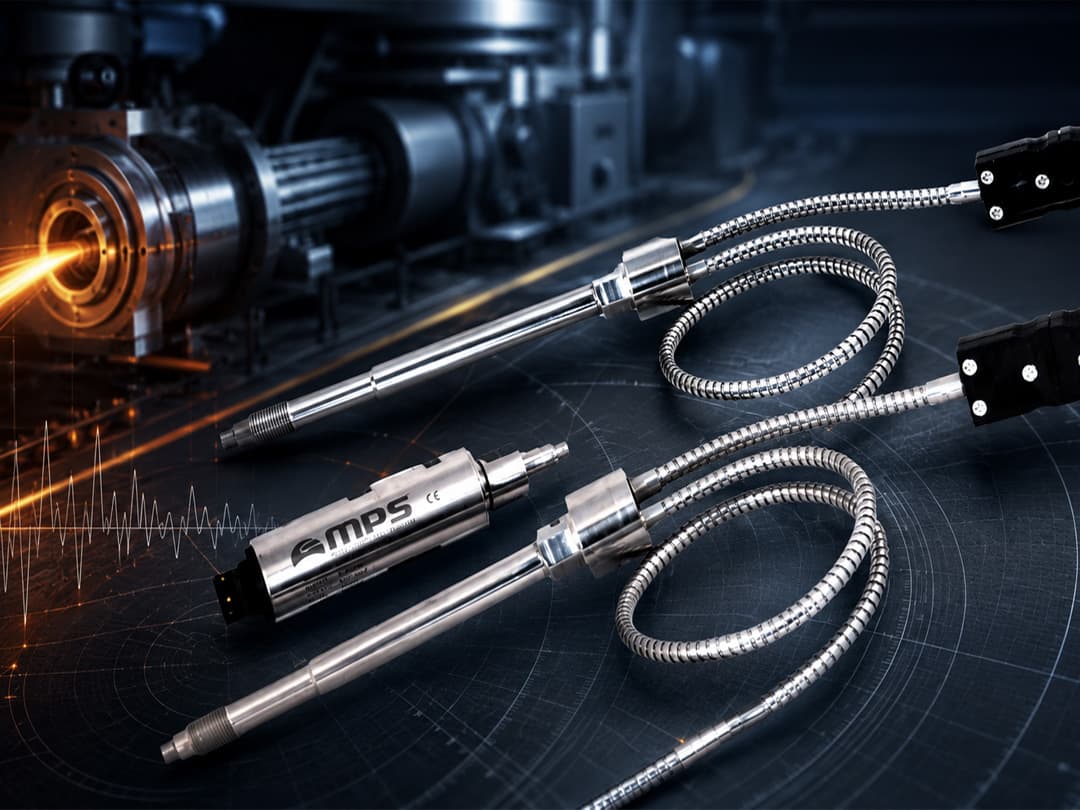
Melt pressure sensors used in industrial production processes are critical measuring devices that help ensure safe and stable operation. Accurate pressure measurement in plastic extrusion, rubber, chemical, packaging and polymer processing applications directly affects many areas, from product quality to machine safety. Therefore, choosing a melt pressure sensor based only on its price may appear economical initially but can result in higher costs in the long term.
A Lower Price Does Not Always Mean a More Economical Solution
The purchase price of a pressure sensor represents only one part of its total operating cost. A low-priced sensor that is unsuitable for the process may cause frequent failures, measurement deviations, production interruptions and unplanned maintenance. If the sensor must be replaced within a short time, the initial price advantage quickly disappears.
When selecting the right melt pressure sensor, its service life, measurement stability, temperature resistance, process compatibility and technical support should be evaluated together. A high-quality sensor suited to the application can support production continuity and provide long-term savings.
The Measurement Range Must Be Suitable for the Process
One of the most important criteria when selecting a melt pressure sensor is its measurement range. The pressure capacity of the sensor must be suitable for the system’s normal operating values and possible sudden pressure changes.
If a sensor with an unnecessarily high measurement range is used, sufficient sensitivity may not be achieved at lower pressures. A sensor with insufficient capacity may be damaged during sudden pressure increases. For this reason, the minimum, normal and maximum operating pressures of the process should be determined before selecting a sensor.
Temperature Resistance Must Not Be Overlooked
Melt temperatures in plastic and polymer processing machinery can reach very high levels. The selected sensor must be resistant not only to pressure but also to the process temperature. An unsuitable diaphragm structure or filling technology may negatively affect measurement accuracy and sensor life.
A sensor capable of providing stable measurements at high temperatures helps prevent inaccurate process data, poor-quality production and equipment damage. Temperature resistance values should therefore always be examined when comparing sensor prices.
Mechanical and Electrical Compatibility Must Be Checked
Not every melt pressure sensor is directly compatible with every machine. Features such as the mounting thread, sensor body, tip design, cable connection and output signal must match the existing system.
Forcing a sensor with an incorrect mechanical connection into place can damage both the sensor and the machine’s mounting point. Output options such as 0–10 V, 4–20 mA and mV/V must also be compatible with the control system. A product purchased only because of its low price may create additional converter, adaptation and installation costs.
Accuracy and Measurement Stability Affect Product Quality
Small changes in melt pressure can affect the thickness, weight, surface quality and dimensional consistency of the final product. Sensors with low accuracy or excessive long-term drift may transmit incorrect process information to the operator.
A high-quality sensor that provides stable measurements enables production parameters to be managed more accurately. This can help reduce waste, maintain product standards and improve production efficiency. Accuracy, repeatability and long-term stability should therefore be considered when evaluating sensor costs.
Technical Support and Service Assurance Are Important
In industrial sensor applications, after-sales support is as important as selecting the right product. Professional assistance regarding the measurement range, connection type and installation conditions reduces the risk of choosing an unsuitable sensor. Accessible technical service also helps minimise production losses in the event of a malfunction or performance problem.
Melt Sensör provides melt pressure sensor solutions for different production processes and supports the accurate evaluation of technical requirements, from product selection through to application.
The Right Sensor Is Selected by Total Value, Not Price Alone
Instead of choosing the cheapest pressure sensor, businesses should evaluate the total value the sensor will provide to the process. A more reliable investment can be made when measurement range, temperature resistance, accuracy, connection compatibility, service life and technical support are considered together.
Contact Melt Sensör to identify the right melt pressure sensor for your production line and obtain detailed information about its technical specifications.