03
12 2025
Melt Pressure Sensor Mounting Surface
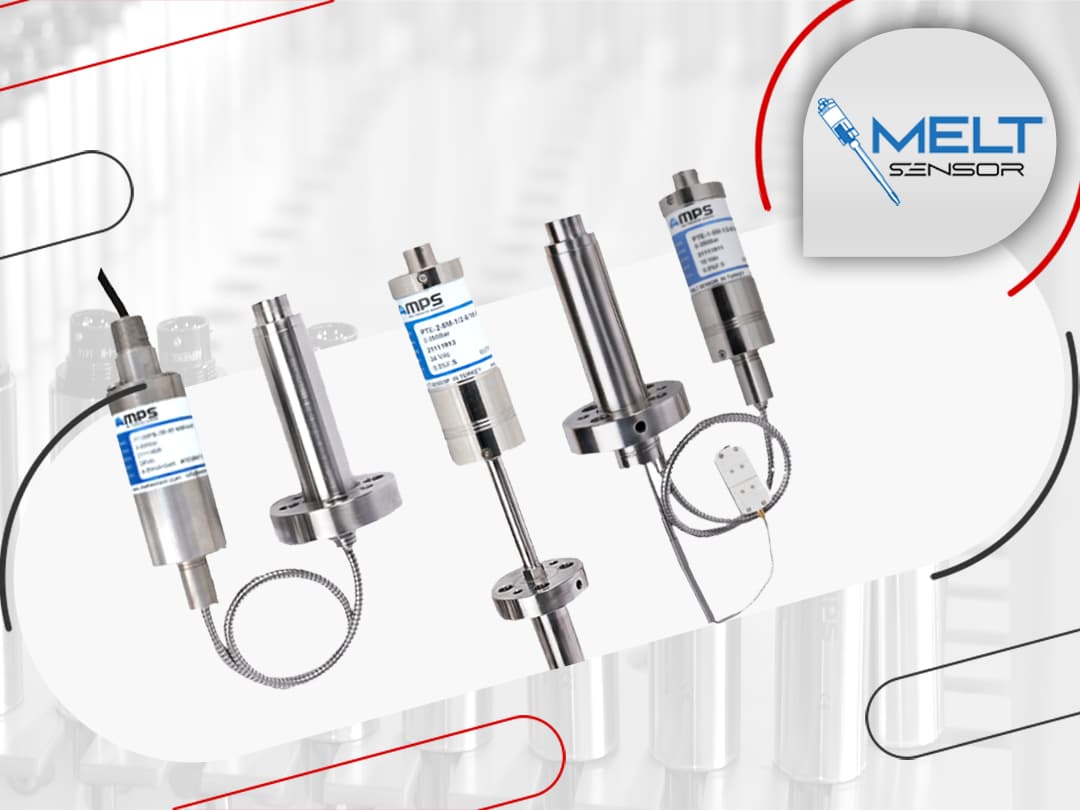
Melt pressure sensors are one of the most fundamental control elements for the stable progress of high-temperature plastic processing processes such as extrusion and injection molding. Accurate sensor measurement is crucial not only for product quality but also for machine protection, energy efficiency, and production safety. An often overlooked factor, but one that has the greatest impact on measurement accuracy, is the preparation of the mounting surface.
The Importance of the Mounting Surface
A melt pressure sensor requires direct and complete contact between the diaphragm and the melt material to detect pressure. If the mounting surface is uneven, dirty, or the sensor housing is improperly drilled, a gap will form between the sensor diaphragm and the melt. This gap can cause:
measurement delays,
inaccurate pressure readings,
overload and damage to the sensor diaphragm,
fluctuations in process control. Therefore, the accuracy of the mounting surface is as important as the quality of the sensor itself.
Surface Preparation
The mounting surface must be flat, clean, and free of burrs. Plastic residue, carbonized material, or metal burrs remaining in the sensor housing will prevent the sensor from seating properly. Therefore, before installation:
The housing should be cleaned with a brass brush,
dried with an air gun,
Never use a steel brush or hard, abrasive tools.
The inside of the housing must be smooth to ensure optimal contact between the sensor surface and the melt. Rough surfaces create localized stress on the sensor's diaphragm and can shorten the sensor's life.
Correct Mounting Pressure and Tightening Torque
Because melt pressure sensors operate under high pressure, proper tightening torque is crucial. Tightening the sensor too loosely can cause plastic leakage; tightening too tightly can damage the diaphragm. The manufacturer's recommended torque values must be followed. A torque wrench is generally recommended for Melt sensor sensors.
Common Installation Errors
The most common errors in the industry include:
Installing the sensor without cleaning the housing
Tightening with tools that are not suitable for the threads
Improper alignment of the sensor tip with the melt channel
Installing the sensor too deep or too shallow
Using inappropriate mounting adapters
Neglecting thermal insulation despite high temperatures
These errors both shorten the sensor's lifespan and directly affect production quality.
Melt pressure sensors are a key component of reliable production in plastics processing processes. However, for these sensors to provide accurate and precise measurements, flawless mounting surface preparation is essential. A clean, smooth, and correctly torqued installation improves sensor performance, stabilizes production processes, and reduces the risk of failure.
At Meltsensor, we recommend proper installation practices to ensure the highest efficiency of our sensors and always provide the technical support our customers need.